
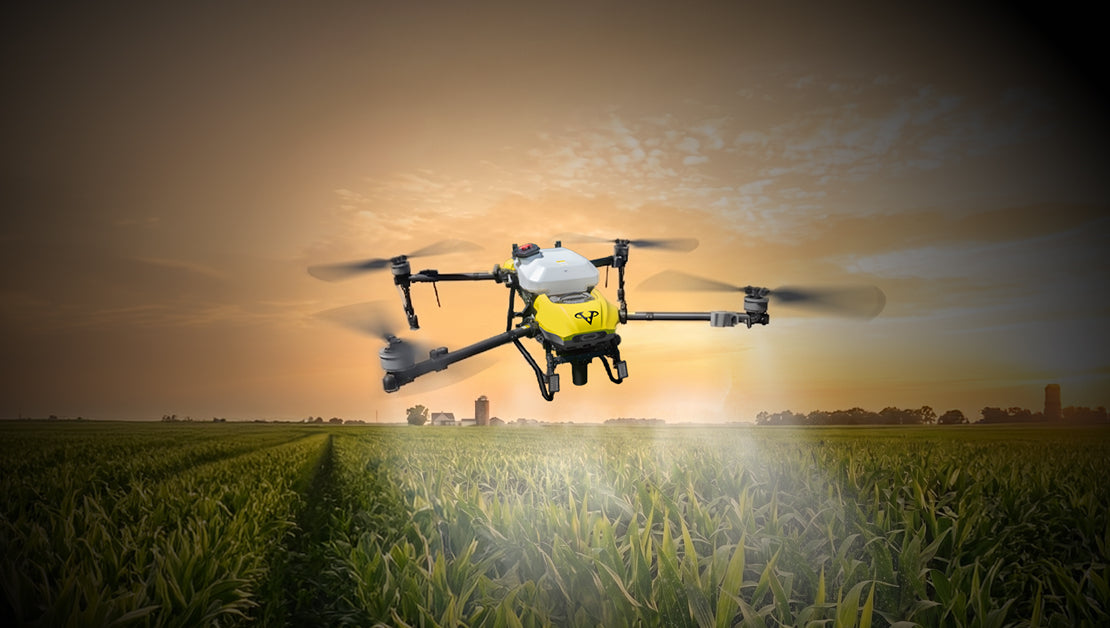
The 20-Year Debt: Why Soil Compaction is an Invisible Tax on Your Farm
In production agriculture, we are obsessed with what we can see. We track emergence, we scout for pests, and we monitor the canopy color. If the sprayer is moving and the nozzles are firing, we feel like we’re winning. But there is a silent process happening beneath the tires of every ground rig that most operators never see It’s the sound of soil structure collapsing, and it’s costing you more than just a few "crushed" plants at the end of a row.
At Raptor, we don't look at drone spraying as a replacement for ground rigs—we look at them as a tool to stop paying an iInvisible tax on your land. Here’s is what is actually happening beneath the surface and how understanding it can change your bottom line.
The Long-Term Cost of Soil Compaction
New research published in the European Journal of Soil Science this year (2026) revealed something startling: A single heavy-wheeling event on loamy soil can lead to an accumulated yield loss of 9.4 tons per acre over a 20-year period.
Most people think of soil compaction as a "this season" problem. It isn't. When you compress soil—especially in wet conditions—you aren't just compressing soil you are destroying the "macropores" that allow soil to breathe. Even if you till the surface next year, that deep-seated structural damage acts like a debt you can never quite pay off.
How Soil Compaction Reduces Nitrogen Efficiency
Compaction changes the chemistry of your field. When soil is packed tight, oxygen can’t get in the resulting nitrogen loss. This creates an anaerobic environment where denitrification thrives.
Research shows that nitrous oxide emissions—literally your fertilizer turning into gas and disappearing—can be four times higher in compacted soils. You might be applying the right amount of N, but if your soil is compacted, you’re essentially pouring a percentage of that investment into the air. By moving the weight off the field during critical spray windows, you aren't just saving the crop; you’re protecting your fertilizer return on investment (ROI).
The Yield Loss Beyond the Wheel Tracks
We all know about the plants the tires physically run over. But the bigger loss is the "marginal crush"—the plants in the rows immediately adjacent to the wheel tracks.
In a 2025 study, corn rows that saw wheel had a significantly lower crop yield, coming in 16.5 bushels per acre less than the rows that didn't. This isn't because the plants were killed; it’s because their root systems were "caged." They couldn't reach the nutrients or water sitting just a few inches away because the soil was too dense to penetrate.
Putting This Knowledge Into Practice
This isn't about "drones are better." It’s about timing and weight management. Understanding these invisible costs allows you to make more strategic precision agriculture decisions:
-
The "Mud Rule": If the field is at a moisture level where a ground rig will leave a visible rut, the invisible damage to your nitrogen cycle is already happening. That is the day the drone becomes the highest-ROI tool on the farm.
-
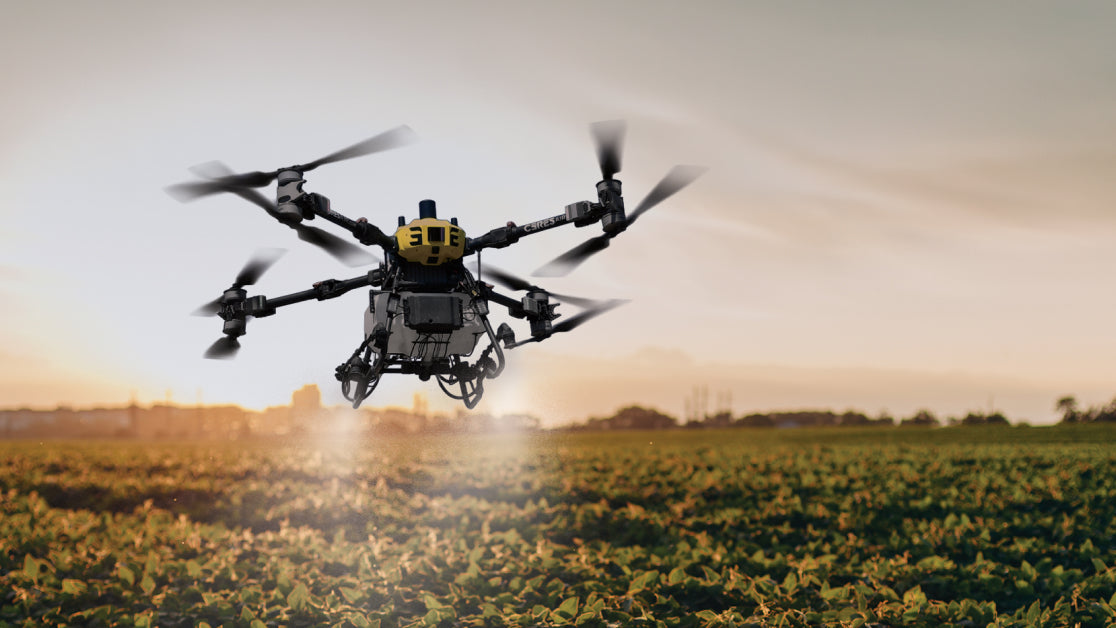
Late Season Logic: As the crop gets taller, the stakes get higher. Using an agricultural drone for late-season fungicides or nutrients isn't just about clearance; it's about avoiding that "root caging" effect when the plant needs nutrients the most for grain fill.
-
The 91% Factor: Recent data shows that in a typical high-production field, up to 91% of the soil sees at least one wheel track over the course of a season. Every trip you can move to the air is a percentage of your "soil health bank account" you get to keep.
The Bottom Line
Better performance, consistent with regenerative farming goals, doesn't always come from a faster machine or a new chemical. Often, it comes from leaving the soil alone. Understanding the invisible costs of soil compaction—from nitrogen leaching to 20-year structural debt—allows you to be strategic rather than reactive.
Use your ground rigs when the soil is fit and the scale demands it. But when the ground is tender or the crop is at a critical stage, remember the invisible tax. Sometimes the best thing you can do for your yield is to pursue zero compaction by never touch the ground at all.


 "
"


